
EXPERIENCE FIRST
Built through real product work, not just screens.
true
self.
CHAPTER 5
“PROMPTING TO BUILD”
FIGMA DESIGN SYSTEMS
+AI TOOLS
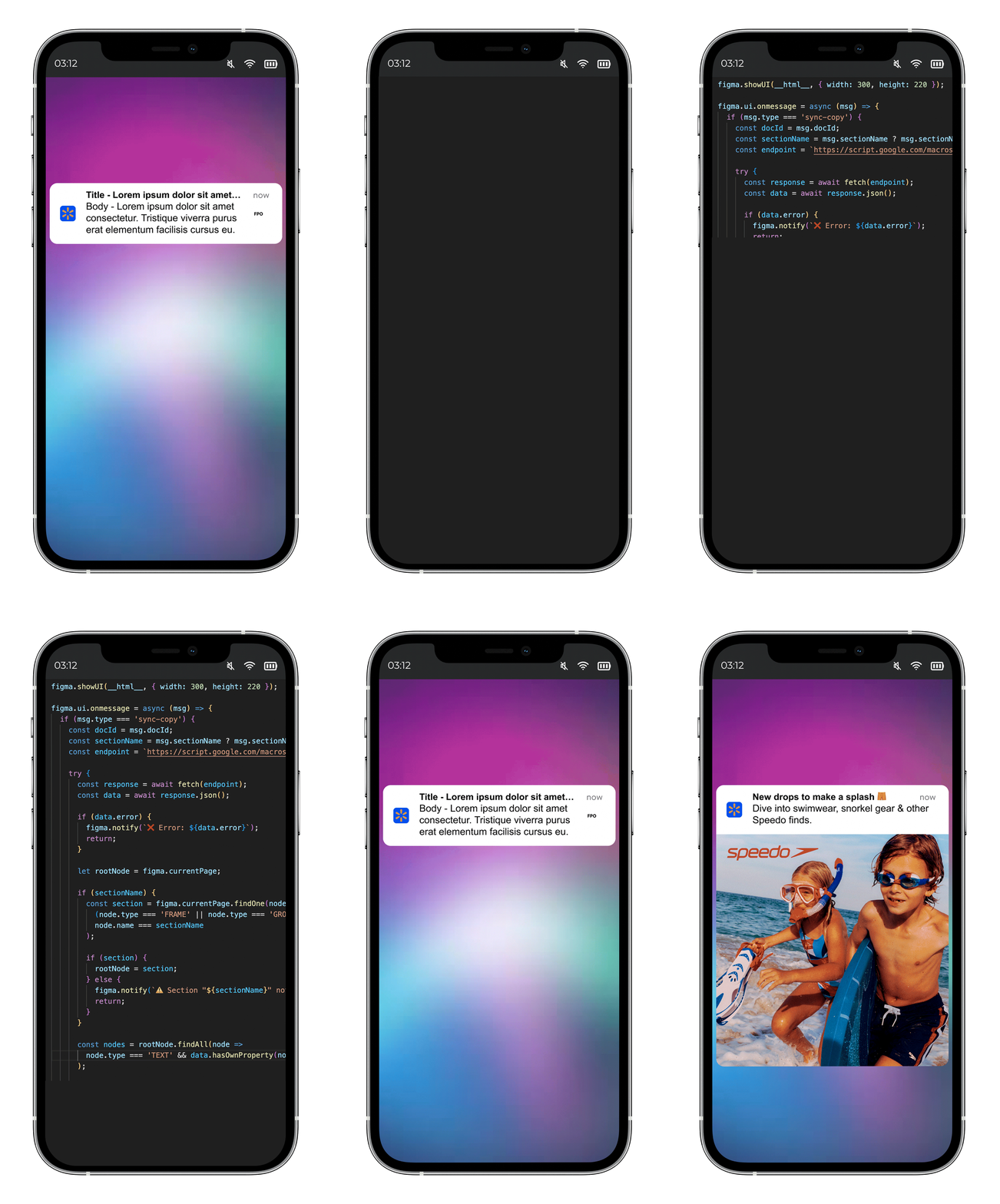
Opportunity Reopening the design process in Figma for ongoing copy updates kept slowing everything down. Every small change meant looping in specific designers and team members, which turned into a bottleneck for copywriters and project managers. It was clear there was a better way to handle updates without all the back-and-forth, saving time and cutting unnecessary costs.
Solutions To fix it, we used AI to build a custom Google Apps Script connected to a Google Sheets plugin. Since the default plugin couldn’t handle date-specific updates in Figma, I took it further and created our own Figma plugin, giving us tighter control and automated content updates exactly how we needed them.
Impact Once chatGPT was released, and being a regular at SXSW to be an early adopter, I dove in with the idea to use AI llms to build our own tools, from generating JSON code to figuring out the right pieces to make it all work. I led the push with two other designers, and together we built and released a working plugin for us and the Figma community.

TOOLS: FIGMA, OPENAI, GEMINI, VS CODE COPILOT
ROLES: SERVANT LEADERSHIP, SR. GRAPHIC DESIGNER, DESIGN SYSTEMS MANAGER,
MENTOR & PRODUCT OWNER
FIGMA DESIGN SYSTEMS


Opportunity Walmart Creative Services needed a vendor to take over production work and create re-usable components for their e-commerce platforms. Creative design decisions also needed to be made, not just what the client thought was merely production. They wanted to reduce costs for building and updating UI modules quickly to stay competitive with other online stores.
Solutions Using a Figma design system, I created new master components to accommodate design requirements that differed from what the existing system provided. I also mentored both onshore and offshore design teams, guiding them in Figma, the design system, and production workflows associated with it. Additionally, I worked diligently to deliver assets and examples based on client-provided “test” projects, helping support their evaluation process in determining the contract award.
Impact We were ultimately awarded the multimillion-dollar contract, successfully winning the bid. Following this, I developed an agile process to support real-time work and improve team efficiency. I also began conducting regular retrospectives, while introducing the team to new applications and automated data collection methods. In addition, I laid out plans to integrate Figma into Adobe Workfront for streamlined tracking, along with implementing fully automated copy updates using AI tools.
TOOLS: FIGMA, CHATGPT, WORKFRONT, ADOBE CC
ROLES: SR. GRAPHIC DESIGNER, DESIGN SYSTEMS LEAD
CHAPTER 4
“FIGHT FOR THE USERS”
UX Research
+DESIGN
Opportunity Working with a startup that had been built by subject matter experts with a strong understanding of the space, I was brought in to focus on the front-end, helping define that foundation into a more cohesive, usable experience.
Solutions Getting the team to allow direct conversations with users was the kind of struggle we UX designers often face. Those conversations revealed gaps in usability, visibility, and flow, which informed personas, a heuristic evaluation using Nielsen Norman Group principles, and ultimately a full front-end redesign, complete with a Figma-based design system using customized Material UI components and an iterative agile development approach.
Impact I'm guided entirely by insights from real users, not the company or my personal preferences. Research revealed exactly what athletes and stakeholders needed, which informed every decision, from the interface flow to the design system in Figma. That approach gave the team a clear, user-driven sprint cycle and a sustainable process to evolve the platform based on real users needs, not guesswork.


TOOLS: FIGMA, Nielsen Norman theory, FIGJAM, MIRO, ADOBE CC
UX RESEARCHER, GRAPHIC DESIGNER, USER INTERVIEWS, SURVEYS,
PERSONAS, JOURNEY MAPS
Interaction Design
& Prototyping
Opportunity Clients care deeply about their customer service and a lender client believed they could only truly provide great customer service through personal relationships. However, they needed to reach an increasing millennial demographic and appeal to consumers in new digital ways. They knew they needed a digital strategy, but didn’t know what it was.
Solution In-store real world customer research and qualitative data gathering during the in-store interactions. Innovation labs with the customers and company leadership to continuously make improvements from real potential and existing customers. A serverless AWS instance with zero datacenter footprint.
Impact The client collected $100 million in payments in 6 months. The redesigned app supports 15,000 payment transactions in a 24 hour period & has a 4.7 rating in the app stores compared to 3.2 of competitive apps.


TOOLS: SKETCH, BALSAMIC, Nielsen Norman theory, MIRO, ADOBE CC
UX RESEARCHER, UI DESIGNER, FIELD STUDIES, CARD SORTING, PROTOTYPES,
LOW FIDELITY & HIGH FIDELITY WIREFRAMES, INTERACTION FLOWS
Information Architecture
& Structure
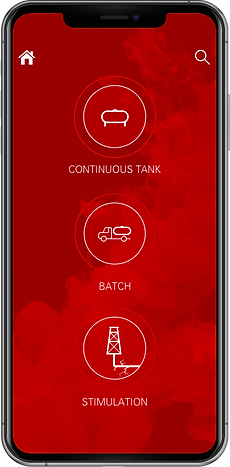
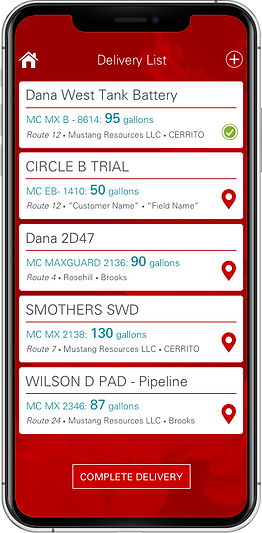
Opportunity Oil field chemical service companies need to implement automated chemical field tasks and managing solutions throughout their global business.
Solution We transformed operations by replacing legacy systems, and yes, actual paper on clipboards, with modern, field-ready applications. Built from user interviews and UX research, these tools work offline (even offshore or out of range) and sync automatically when connectivity returns. The platform integrates with internal and external systems while supporting chemical service tasks, product and financial management, and predictive analytics with real-time notifications.
Impact The digital transformation achieved bulk data consolidation, transfers and reduced enormous costs on labor and equipment. A true modernization of logistics and scientific operations, turning outdated, manual processes into a connected, data-driven ecosystem built for speed, accuracy, and scale.


TOOLS:
SKETCH, INVISION, Nielsen Norman theory, MIRO, ADOBE CC
UX RESEARCHER, UI DESIGNER, CARD SORTING, PERSONAS,
SITE MAPS, TASK FLOWS, ICONOGRAPHY
Evaluation
& Usability Testing
Opportunity An Insurance company faced increasing call volumes to agents, prompting the necessity for their customer app portal to accommodate standard transactions, a service already offered by competitors online. With an older demographic among policyholders, they aimed to leverage online application tools to diminish agents' data entry tasks. Despite implementing the necessary tools on the customer portal, customers persisted in contacting agents for routine online transactions.
Solution As a pure research project, I performed a thorough evaluation by applying Nielsen's 10 usability principles and Google Analytics's Lighthouse scores to assess both page-to-page analysis and site performance/accessibility. Additionally, I conducted customer interviews to develop personas, distinguishing various customer segments. Extensive collaboration with the development team identified gaps and opportunities to maintain functionality while enhancing the front-end for a more intuitive user experience.
Impact Marketing and technology teams established a stronger collaborative partnership, improving alignment across initiatives. The in-house development team expanded its expertise by gaining a deeper understanding of user research methodologies and accessibility metrics. Additionally, the final research report uncovered antiquated “dead code” and legacy systems that were negatively affecting application performance, providing clear direction for future optimization efforts.


TOOLS: Nielsen Norman theory, MIRO,
GOOGLE LIGHTHOUSE & ANALYTICS
UX RESEARCHER, UI DESIGNER, USABILITY SESSIONS,
HEURISTIC EVALUATION, A/B TESTING
CHAPTER 3
“THE AGENCY LIFE”
AGENCY
Opportunity Organizations across education, telecommunications, and CPG were constrained by legacy platforms, fragmented user journeys, and limited mobile optimization. As user expectations shifted toward seamless, on-demand digital experiences, these brands needed to rethink how their ecosystems functioned end-to-end, from discovery to conversion. The opportunity was to redesign and modernize digital touch points with a research-first approach, creating scalable, accessible, and performance-driven systems that could better support user needs while increasing efficiency across acquisition and engagement funnels.
Solutions Led the design within agency development teams of end-to-end digital experiences grounded in customer experience strategy, responsive design, and performance optimization. Mapped user journeys and identified friction points across key flows, such as onboarding, content discovery, and conversion. I translated insights into intuitive interfaces and scalable design systems. Built cohesive digital ecosystems spanning websites, landing pages, and campaign-driven touch points, ensuring consistency across devices and platforms. Partnered closely with developers and marketing/research teams to implement mobile-first solutions, improve site performance, and leverage data-driven testing (A/B testing, analytics, and real-time optimization) to continuously refine the experience.

Impact Improved usability and conversion by streamlining critical user flows and reducing friction across digital experiences. Increased engagement and completion rates through more intuitive navigation, faster load times, and mobile-optimized design. Enabled more efficient acquisition strategies by aligning research led decisions with performance data, resulting in stronger conversion funnels and more effective targeting. Established scalable UI frameworks and design systems that supported ongoing iteration, allowing teams to adapt quickly and continuously improve digital products based on user behavior and evolving business goals.


TOOLS: ADOBE CC, VS CODE, META
ROLES: ART DIRECTOR, ACCOUNT REP, SR. GRAPHIC DESIGNER

CHAPTER 2
“FROM DREAMS TO DESIGN”
MOTION+GRAPHIC DESIGN


Trial by Fire Landing my “dream job” as the second gig out of college was surreal. It pushed me to keep learning and to create in service of the audience. I am always turning over every rock, discovering new tools, and finding ways to stay ahead. Animated menus, a strong online presence, and e-commerce storefronts weren’t standard practice back then, but I got to experiment and learn all of it. Those experiences shape my work today, constant curiosity by building experiences and being a catalyst for innovation in everything I do.


TOOLS: ADOBE CC
ROLES: GRAPHIC DESIGNER, MOTION DESIGN, VIDEO EDITING


ReadMe.md
# Remmert
I've been leading UX design and research in the technology space for as long as I can remember.
From playing video games at the arcade and in DOS, to coding websites, I've always been excited to merge **art & science**. From illustration to painting, I’ve applied that craftsmanship to **design**, **research**, and **interfaces**.
My swaps from the *agency life* back to *tech* and back again, that’s my journey. Sharing these experiences with my teams over the years, and learning from each other along the way, has been one of the most meaningful parts of my love for Servant Leadership. We celebrate success and failures together and learning from it as one.
> Prioritizing accessibility is crucial for everyone.
As *Tron* did, **ratmatic fights for the users**.


